







Search Results for: heavy-flavored coffee
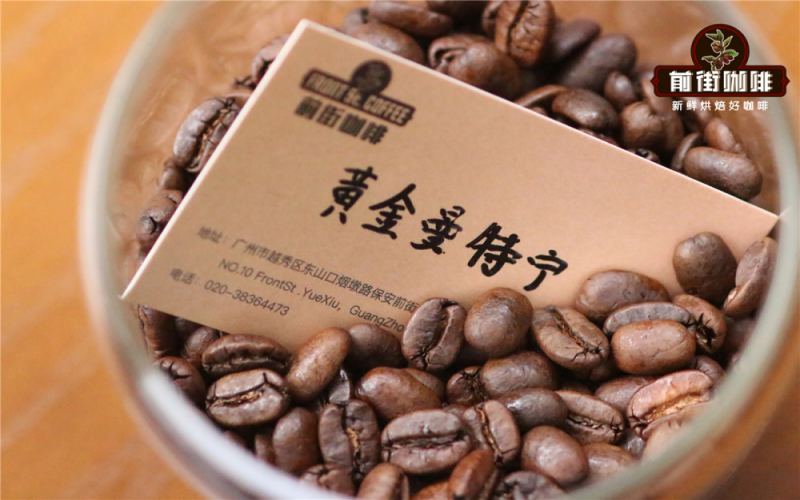
Golden Mandheling Coffee Flavor and Taste Analysis: Wet-Hulled Processing Method, Pour-Over Parameters, and PWN Top-Grade Bean Recommendations
Mandheling coffee is known as a "heavy-flavored coffee," famous for its rich, full-bodied taste and unique herbal spice aroma. Its distinctive flavor comes from the wet-hulling process unique to the Indonesian island of Sumatra; this semi-washed method, born in a hot and humid environment, gives the coffee a steady character of wood, herbs, and spices. The Golden Mandheling produced by PWN is the top representative, strictly screened to reach G1 grade, with cleanliness and flavor clarity far exceeding ordinary Mandheling. Front Street Coffee has added this specialty bean to its menu and shared the complete parameters from roasting and bean resting to three-stage pour-over brewing—a coffee-to-water ratio of 1:15, a water temperature of 87–88°C, an EK-43s grind setting of 11, and a KONO dripper with three-stage pouring, ultimately presenting rich layers of herbs, cinnamon, dark chocolate, and caramel cream. [more…]

A World Tour of the Milk Coffee Family: Bean Pairings for Seven Kinds of Milk Coffee
Latte is just one member of the milk coffee family—from Rome's cappuccino to Melbourne's flat white, from Spain's cortado to Vietnam's egg coffee, "coffee with milk" has evolved into a vast family across the globe. Each milk coffee is a unique local cultural solution to the ratio of milk fat, and behind each solution lies a different [more…]
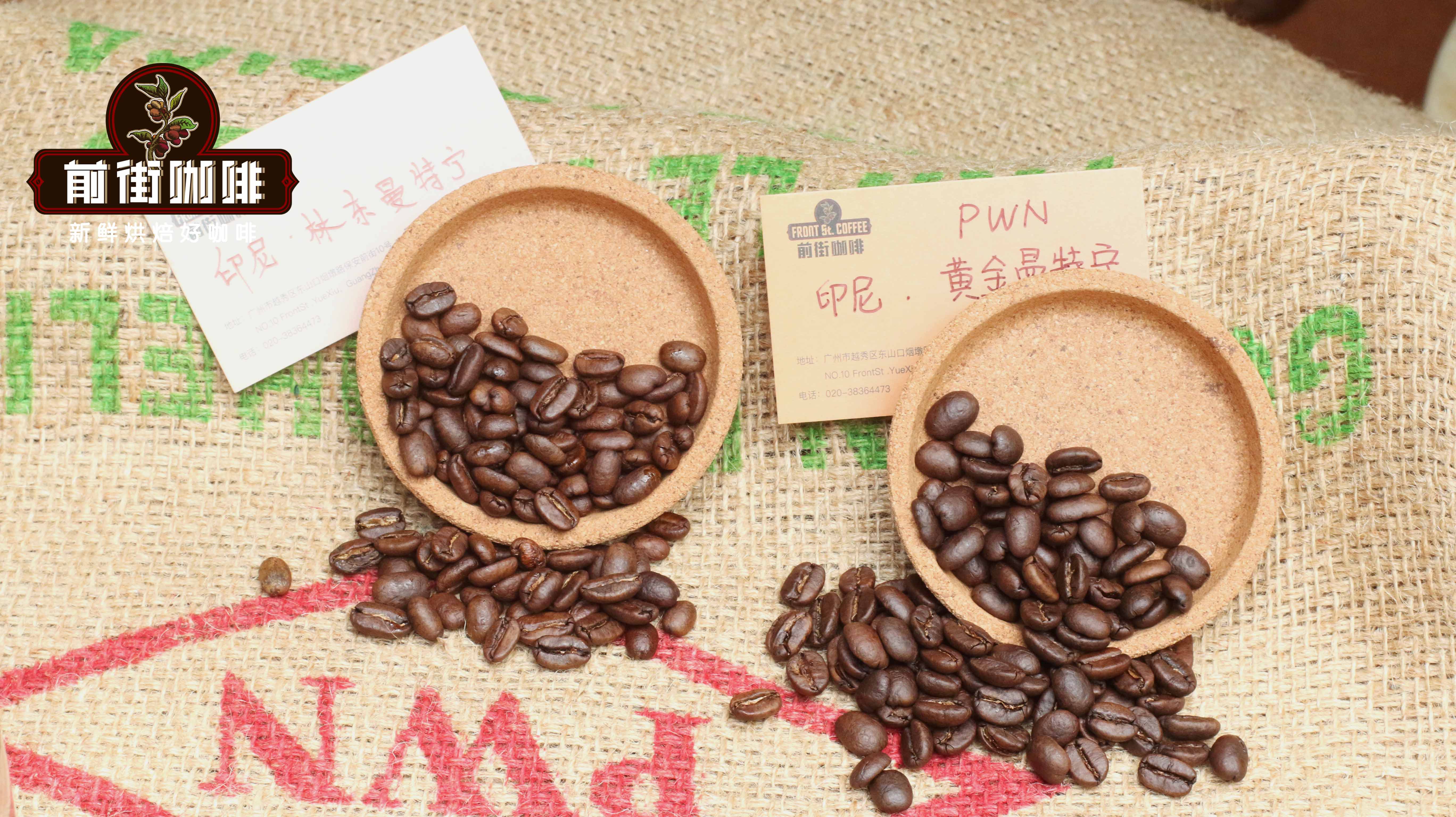
Mantenin Coffee Price, Flavor Characteristics, and Detailed Pour-Over and AeroPress Brewing Methods
Mandheling coffee is widely recognized as one of the most full-bodied coffee varieties in the world. Its growing region is located in Sumatra, Indonesia, so it is also often called Sumatra coffee. Front Street Mandheling is known for its rich, heavy style, with a bold, invigorating impact on the palate, and it has a large following among male coffee enthusiasts. Amid its fullness, Front Street Mandheling also has lively layers of variation; when tasting, the tip of the tongue can perceive a clearly smooth texture, with relatively low acidity and a faint herbal aroma. This article takes Front Street Sumatra Mandheling as an example to introduce its price range and flavor description, and to demonstrate in detail how to brew a satisfying cup of Mandheling coffee at home using two common devices: pour-over and AeroPress. [more…]
espresso category | What is espresso? What do Ristretto, Normale, and Lungo refer to in espresso?
When espresso is mentioned, everyone's first reaction might be a strong, bitter, heavy-flavored black coffee, and it is also the most stimulating drink in terms of taste. For baristas, adjusting espresso extraction can be said to be the most critical step every day, because all kinds of popular Italian-style coffees are inseparable from a small serving of espresso. [more…]
Why is Mandheling uniquely favored by those with a bold palate? A detailed guide to the correct way to brew pour-over Mandheling
Mandheling is a representative coffee of Sumatra, Indonesia, processed using the wet-hulled method, naturally carrying notes of spice, herbs, and sandalwood. After medium-dark roasting, it presents a low-acid, full-bodied cup with flavors of caramel, dark chocolate, roasted hazelnut, and maple syrup, making it highly sought after by lovers of bold flavors. It works well for pour-over and also adapts to various brewing devices such as moka pots, home espresso machines, and French presses. This article focuses on the Front Street Coffee Mandheling series, introducing four low-acid, full-bodied products: the entry-level Indonesian Mandheling, the more premium PWN Golden Mandheling, drip bag coffee convenient for brewing on the go, and a classic blend suitable for espresso, helping you find the Mandheling flavor that suits you. [more…]
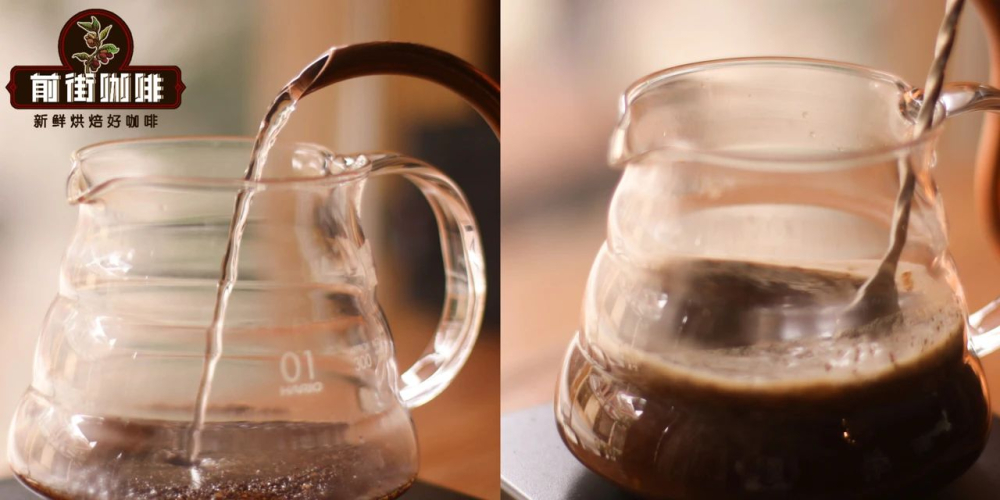
Cold Brew Ratio Guide | What Is Cold Brew? How to Make Great Cold Brew Coffee? How Does the Taste Differ with Different Water-to-Coffee Ratios?
For more specialty coffee knowledge, please follow our WeChat official account: Front Street Coffee (FrontStreet Coffee). Cold brew coffee essentially means that under low-temperature conditions, small-molecule substances that tend toward aroma and acidity are more easily released into cold water, so the coffee tastes light-bodied and tends to express [more…]
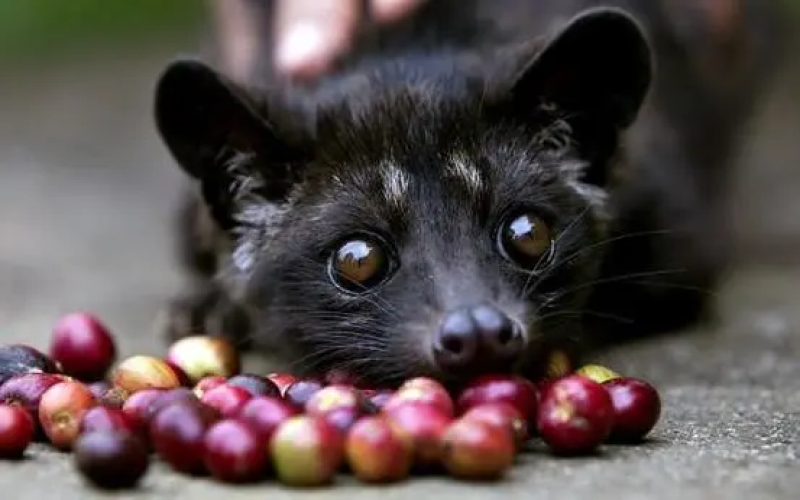
Is Kopi Luwak Really Cat Poop? Uncovering How Civet Excrement Becomes a Rare Beverage
Kopi Luwak, just by its name, evokes both curiosity and resistance. Is it actually cat excrement? The answer is: yes, it is, but not in the ordinary sense of cat feces. The raw material for this coffee comes from the droppings of wild civets in the tropical rainforests of Indonesia, which, after washing and roasting, surprisingly become one of the most expensive coffees in the world. From its accidental discovery during the 17th-century Dutch colonial period, to the animal ethics controversies sparked by today's captive farming, and to its unique heavy fermentation flavor and deep roasting process, Kopi Luwak has a complex and tortuous story behind it. This article will provide a complete overview of the origins, production process, and flavor characteristics of Kopi Luwak, as well as other animal-fermented coffees derived from it, while reminding everyone to view this special beverage rationally. [more…]
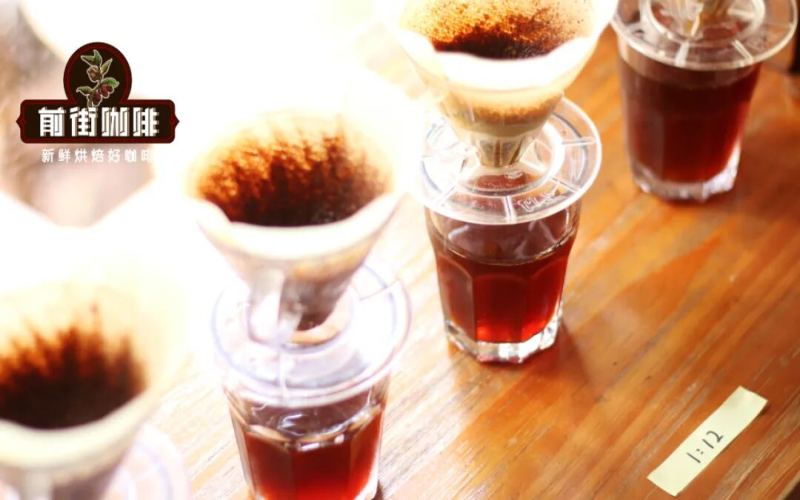
Cold Brew Coffee Ratios | How Does Cold Brew Made with Different Coffee-to-Water Ratios Taste Different? What Coffee-to-Water Ratio Is Suitable for Making Cold Brew Coffee?
Cold brew coffee essentially refers to the fact that under low-temperature conditions, small-molecule substances tending toward aroma and acidity are more easily released into cold water, so the coffee tastes light and is mostly characterized by a sweet-and-sour profile. In addition, since it is not limited by equipment or location, cold brew can be said to be a coffee that people can easily access—at home, as long as you have raw [more…]

The Complete Guide to Sumatran Pour-Over Coffee: From Regional Terroir to Wet-Hulling Process and Brewing Parameters
Sumatra, as Indonesia's largest coffee island, nurtures a uniquely distinctive Mandheling coffee thanks to its volcanic ash soil and high-altitude misty cloud environment. From the Typica blight during the Dutch colonial period, to the introduction of Robusta and Tim Tim hybrid varieties, and then to the woody spice notes conferred by the wet-hulling method, this land has forged a coffee path wholly different from Africa and Central-South America. This article begins with Sumatra's geography and terroir, sorts through the history of coffee variety turnover, explains in detail the climatic logic behind wet-hull processing, and appends Front Street Coffee's brewing recommendations and flavor description for medium-dark roasted Mandheling, guiding you through a complete understanding of the origins and evolution of this "heavy-flavor" coffee. [more…]
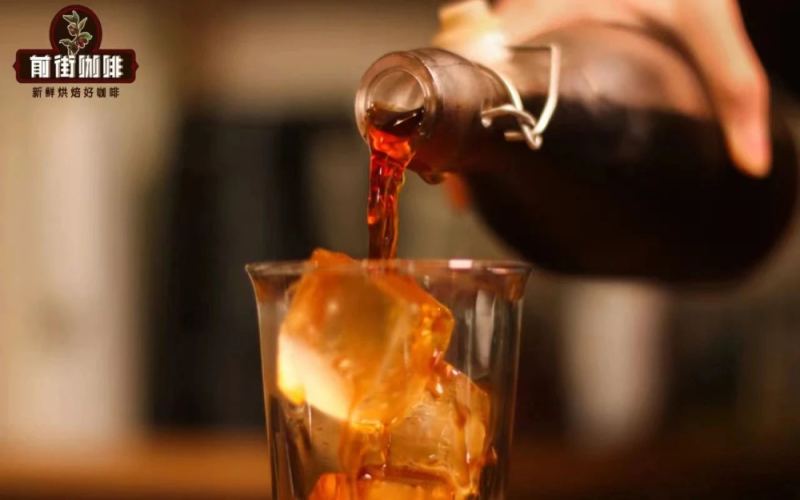
The Complete Guide to Making Cold Brew Coffee: From Equipment Operation to Bean Selection and Flavor Pairing
Cold brew coffee, with its unique low-temperature slow extraction method, delivers a rich yet non-bitter taste, making it a beloved beverage in summer. This article begins with the principles of cold brew coffee, then details the structure and usage of a cold brew tower, and uses Costa Rica Mozart coffee as an example to explain key parameters such as grind size, coffee-to-water ratio, and flow rate control. At the same time, the article also recommends coffee beans suitable for making cold brew, categorized by flavor type, including four directions: tropical fruit fermented winey notes, clean and crisp, sweet and pleasant, and flavor blends, helping coffee enthusiasts make suitable choices based on personal taste and equipment conditions. [more…]
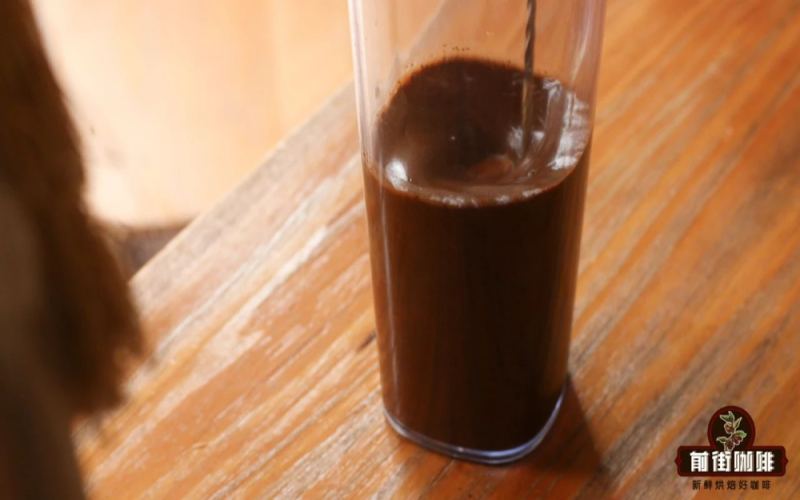
How to determine the coffee-to-water ratio for cold brew? Flavor differences across ratios and an analysis of Front Street Coffee's recommended beans
Cold brew coffee, through its low-temperature slow extraction, can present a unique flavor that is light and delicately balanced between sweet and tart, and it can easily be made at home. However, many people wonder: why isn't the coffee-to-water ratio for cold brew fixed like it is for pour-over? Some use 1:8, some use 1:10, and others go as high as 1:15. What kind of taste differences do these different ratios actually create? This article will use a practical side-by-side experiment to help you understand how factors such as coffee-to-water ratio, grind size, and steeping time affect cold brew flavor. Using Kenya Little Tomato as an example, it will also explain how to choose coffee beans suitable for cold brew, and share why Front Street Coffee prioritizes a 1:10 ratio in its daily production. [more…]

Why Is Iced Drip Coffee Called Dutch Coffee? A Full Breakdown from Origin Legends to Cold Brew Differences and Brewing Practice
Ice drip coffee is often called Dutch Coffee. The origin story widely circulated was actually fabricated by Japanese coffee practitioners to promote ice drip pots. The mainstream method in Europe and America is not drip-based, but immersion-based cold brew. Ice drip coffee is made by dripping ice water evenly through coffee grounds, a slow extraction at low temperature and normal pressure, giving it a rich yet not bitter taste. Ice-brewed coffee and ice drip coffee both fall within the category of Dutch coffee. This article focuses on the key operational points of ice drip pots—their structure, coffee-to-water ratio, grind size, drip rate control, and refrigerated fermentation—and, drawing on beans such as Front Street Mozart, Sidra, Gutingding, Butterfly, and PWN Golden Mandheling, explains how different flavor-type coffee beans perform in ice drip and how to approach blending them. [more…]
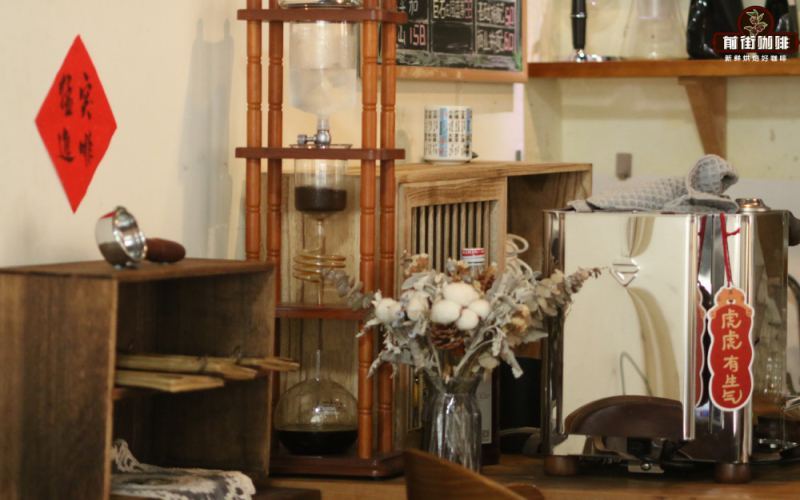
Exploring the Origins and Flavor Characteristics of Cold Brew Coffee: Front Street Coffee Shares How to Choose the Right Coffee Beans for Cold Brew
Cold brew coffee, with its unique low-temperature slow extraction method, delivers a rich yet non-bitter taste and has gained increasing popularity among coffee enthusiasts in recent years. So where exactly does cold brew coffee come from? And what is its connection to cold-brewed coffee and Dutch coffee? Drawing on the store experience of Front Street Coffee, this article traces the historical origins and brewing principles of cold brew coffee, explains in detail the structure of a cold brew tower and how to use it, and, combining several Front Street Coffee beans, offers bean selection ideas for friends with different taste preferences across four major categories—tropical fruit fermented type, clean and refreshing type, sweet type, and blended type—to help everyone make a satisfying cup of cold brew coffee at home. [more…]
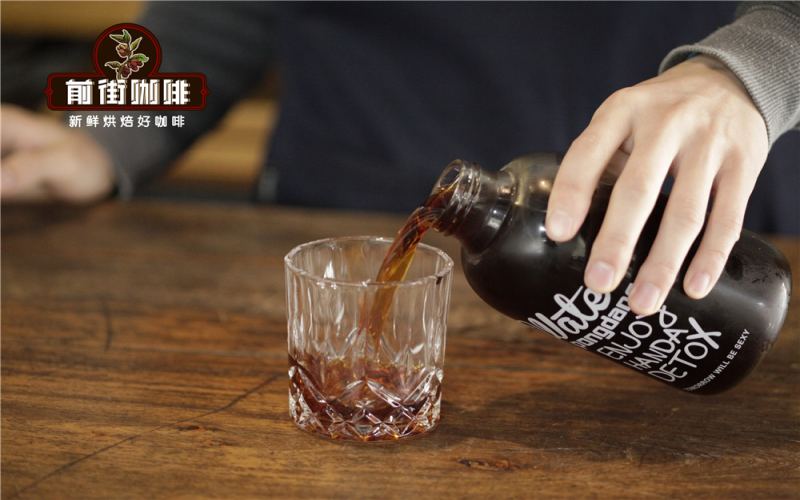
Ice Drip Coffee | Which coffee bean origin is recommended for making ice drip coffee? The origin and story of ice drip coffee
Ice drip coffee, also known as ice-brewed coffee or water-drop coffee, is called Ice Drip coffee in English and is a method of making coffee drinks. Generally, cold brew coffee refers to coffee made by steeping ground coffee beans in room-temperature water for as long as ten-plus hours, after which special filter paper or a filter is needed to separate the water from the coffee. [more…]
A Comprehensive Analysis of the Flavor Profiles and Green Bean Characteristics of Representative Coffee Varieties from Major Global Coffee-Producing Countries
From Cuba's giant Maragogype to Ethiopia's Yirgacheffe, from Kenya AA to Hawaiian Kona, coffee-growing regions around the world produce representative bean varieties with strikingly different styles. This article systematically sorts through the origins, grading methods, growing environments, and flavor characteristics of these coffee beans, helping coffee enthusiasts build an overall understanding of the global coffee map. Whether you prefer the bright fruit acidity of African beans or the rich, mellow bitterness of Indonesian Mandheling, you can find the corresponding flavor coordinates in this guide. Front Street Coffee will also combine years of roasting experience to provide practical reference for beans from different regions. [more…]
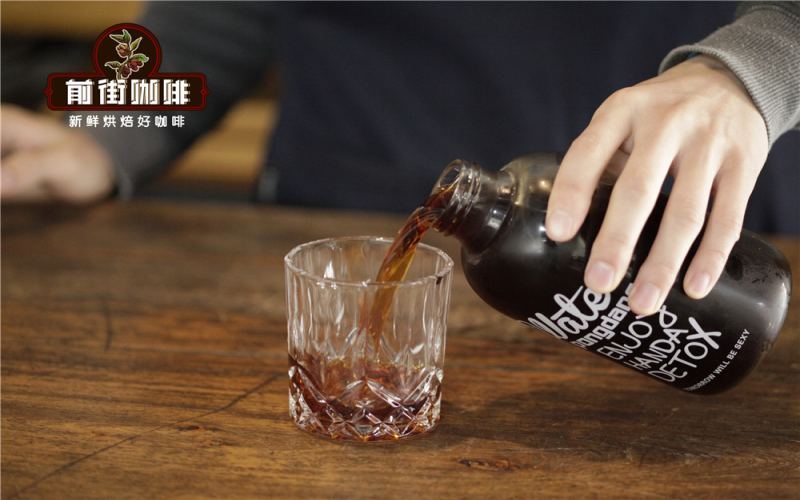
Analysis of the Flavor Characteristics and Key Brewing Points of Cold Brew Coffee, Front Street Recommends Suitable Coffee Bean Producing Regions
Cold brew coffee is a method of slowly extracting coffee flavors using low-temperature water, forming a sharp contrast with the high-temperature brewing of conventional pour-over. The low-temperature environment reduces the volatilization of aromas, locking flavor molecules within the coffee liquid; upon entering the mouth, as the temperature rises again, it delivers a concentrated and intense aromatic experience. The entire process takes several hours, and after dripping is complete, it still requires refrigeration and fermentation, so the price is relatively high but the taste is outstanding. This article will unfold from perspectives such as the origin of cold brew coffee, its flavor characteristics, the types of coffee beans suitable for it, and the specific operation methods of a cold brew tower, helping coffee enthusiasts gain a comprehensive understanding of this unique brewing method, and will append Front Street Coffee's bean recommendations and brewing suggestions. [more…]

Pros and Cons of Drip Bag Coffee | How to Brew Jamaican Blue Mountain No. 1 Drip Coffee Bags? What Are the Wrong Ways to Brew Filter Coffee Bags?
For more specialty coffee knowledge, please follow the WeChat official account: Front Street Coffee (FrontStreet Coffee). Drip bag coffee is loved by coffee enthusiasts for its convenience, so many novice coffee lovers who have just started using drip bag coffee ask Front Street Coffee (FrontSt [more…]
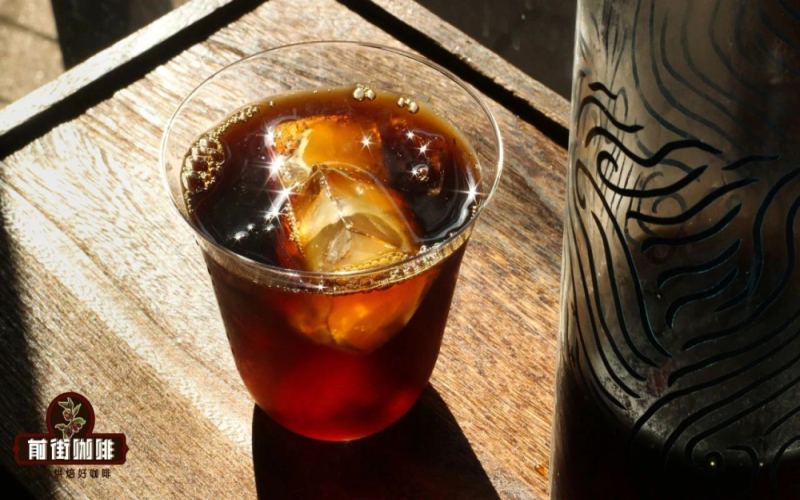
What Type of Coffee Does Cold Drip Coffee Belong To? A Detailed Explanation of the Preparation Steps and Its Flavor Differences from Cold Brew Coffee
As temperatures gradually rise, cold beverages enter their peak sales season, and cafés are putting all kinds of iced coffee on their menus, including Americano, cold brew, and the rather time-consuming ice drip coffee. Many consumers wonder why ice drip coffee is often priced considerably higher than ordinary iced coffee. In this article, Front Street Coffee will explain ice drip coffee's category classification, extraction principles, complete brewing process, and how it differs in flavor from cold brew coffee, while also introducing ice drip coffee's storage advantages and the people it suits, to help coffee lovers gain a comprehensive understanding of this slow-crafted coffee category. [more…]
A Complete Guide to the World's Twelve Great Specialty Coffee Regions: The Flavor Geography from Colombia to India
The flavor code of coffee is often hidden in the land where it grows. From the Andes in South America to the highlands of Africa, from the Caribbean islands to the archipelagos of Asia, each producing region shapes an unrepeatable landscape in the cup through its unique climate, altitude, and processing methods. This article will take you on a visit to twelve globally recognized high-quality coffee origins—Colombia's balanced smoothness, Ethiopia's wild wine-like aroma, Jamaica Blue Mountain's scarce legend, Yemen Mocha's complexity and variability, as well as the distinctive personalities of Kenya, Indonesia, Hawaii, and other places. Whether you are a beginner pour-over enthusiast or a seasoned player looking for your next bag of beans, this origin guide can help you build a clearer flavor coordinate system. Front Street Coffee will also accompany you in understanding the origins while finding the cup that suits you. [more…]

Drip Coffee Bags | How acidic is dark roast Brazilian drip black coffee? How to brew Mandheling, Yirgacheffe, and Brazilian drip coffee?
With the rise of the specialty coffee trend, coffee culture has been continuously spreading, and sales of both coffee equipment and coffee beans are constantly increasing. As a store focused on specialty coffee, Front Street not only brews a delicious cup of coffee for every guest, but also aims to spread coffee culture. If everyone [more…]